

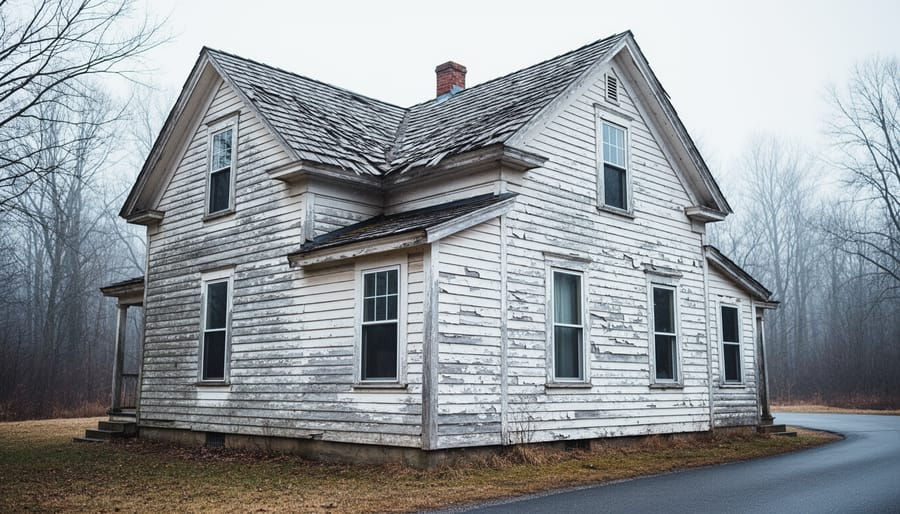
Yes, you can sell a home that needs work, and for many northern homeowners it’s the smarter move. If the repairs would cost more than they add to your sale price, or you can’t spare the time or cash before the next cold snap, selling as is makes sense. You accept a lower price in exchange for speed and a simpler process. The trick is knowing how big that trade-off really is.
Start by sorting the problems into two piles: cosmetic and structural. Scuffed paint, dated fixtures and worn carpet rarely sink a sale, and a weekend of cleaning, patching and fresh neutral paint often does more than a pricey renovation. Frost heaves, a leaking roof, damp basements and an aging furnace are different. Buyers in cold climates worry about these most, because winter will find every weakness. Get the facts on each one before you set a price, since an honest, documented list of issues builds trust and speeds negotiation.
Pricing comes next, and it should reflect the home’s true condition, not what the neighbour’s renovated place fetched. You’ll also want to know who actually buys fixer-uppers: investors, renovators, and cash house buyers who skip financing delays and take on repairs themselves, cash house buyers being the fastest route when time is tight.
The sections below walk through each step, in order.
Should You Renovate or Sell As Is? How to Decide
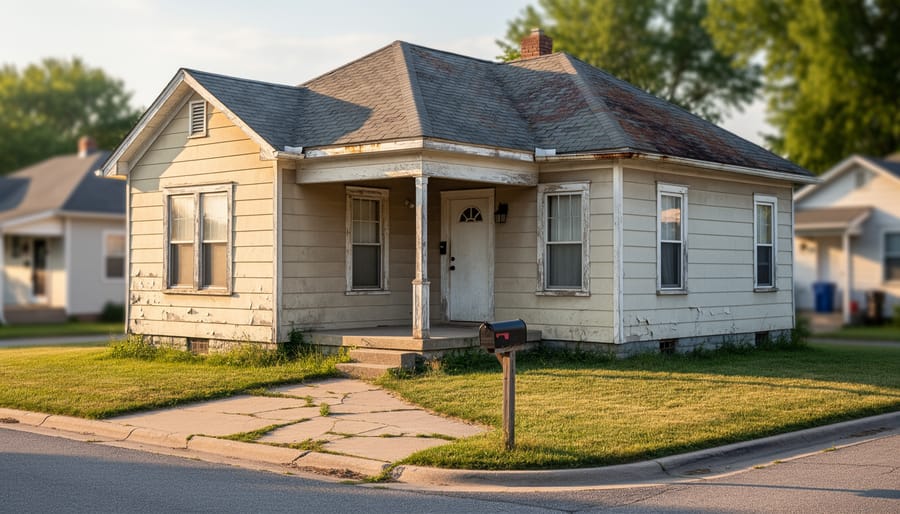
When Selling As Is Makes the Most Sense
Skipping renovations is often the smarter move, and a few situations make that especially clear.
Money is the first one. If you don’t have spare cash, taking on debt to fix a house you’re about to leave rarely pays off. Time is the second. A job transfer, a purchase deadline, or a divorce doesn’t leave room for a six-month project.
Inherited and rental properties are common as-is candidates too. You didn’t choose the house, you may live far away, and managing contractors from a distance gets expensive fast. Big structural or systems problems, like a failing foundation, old wiring, or a furnace on its last legs, can cost more to fix than buyers will give you back in price.
Market conditions matter as well. In a hot market, buyers often compete for any home and will overlook flaws. In a slow one, the extra cost of renovating can be hard to recover.
Then there’s plain burnout. If you’re worn out, selling as is is a perfectly good reason.
Northern climate adds another factor. Roofing, siding, and foundation work can’t be done properly for much of the year, and freeze-thaw impacts repairs by limiting when materials will cure and hold. Waiting for spring can mean missing your window to sell.
When a Few Small Fixes Are Worth the Effort
Selling as is doesn’t mean you have to leave every flaw exactly where it sits. Think of it as a sliding scale, not an all-or-nothing choice. A few small, inexpensive fixes can protect your asking price without ever becoming a renovation project.
The trick is telling the cheap-but-high-impact jobs from the expensive-and-low-return ones. Fresh neutral paint on a scuffed living room, a deep clean, new cabinet handles, or a patched hole in the drywall might cost under a couple hundred dollars and a weekend of your time. Buyers notice those things right away, and they tend to read a tidy house as a well-kept one. Compare that with replacing all the kitchen cabinets or redoing a bathroom. You’ll rarely get that money back, and the work can drag on for weeks, which is a real problem when winter weather limits what you can do outside.
A good rule of thumb: fix what’s quick, cheap and visible, and leave what’s costly and invasive for the next owner. If a repair would take more than a few days, needs a permit, or costs more than the price drop a buyer would likely ask for, it’s probably better left alone. Anything that sparks worry, like a leaky tap or a sticky door, is worth the small effort to sort out.
What Counts as a Home That Needs Work (And What Buyers Worry About Most)
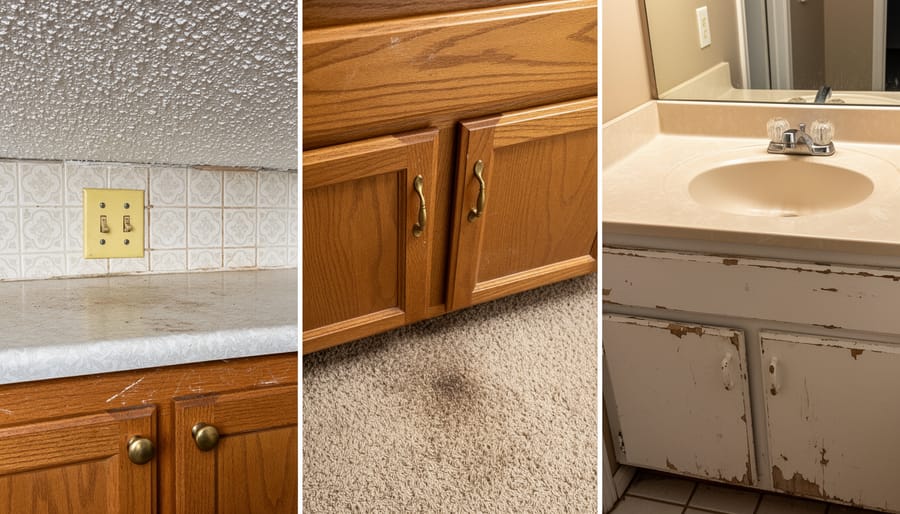
“Needs work” covers a huge range. A home with scuffed walls and a 1990s kitchen is a very different sale from one with a sagging roof and a cracked foundation. Knowing where your place sits helps you price it and predict how buyers will react.
Cosmetic issues are the easy end: dated paint, worn carpet, tired light fixtures, an old bathroom vanity. Buyers see these as a to-do list, not a threat. Mechanical issues, like an aging furnace, old wiring or a water heater near the end of its life, worry people more because the repair bills are unpredictable. Structural problems, such as a failing roof or foundation movement, are the real deal-breakers, since they affect safety and whether a lender will approve a mortgage.
Here’s how buyers typically see each type:
| Problem type | Examples | Buyer concern | Fix before selling? |
|---|---|---|---|
| Cosmetic | Dated paint, worn flooring, old fixtures | Low | Often, if cheap (paint, deep clean) |
| Mechanical | Old furnace, outdated wiring, leaky taps | Moderate to high | Only small, inexpensive fixes |
| Structural | Foundation cracks, sagging roof | Very high | Rarely, price it in instead |
| Northern climate | Ice damming, moisture, mould, poor insulation | High | Depends on the cause and cost |
Cold climates add their own worries. Ice damming happens when heat escaping through the roof melts snow, which then refreezes at the edge and backs water up under the shingles. Buyers see the stains and wonder what’s hiding in the attic. Moisture and mould raise similar alarms, because they hint at leaks, poor ventilation or hidden rot. Frost heave, where freezing ground pushes and shifts the soil, can crack foundations and slab floors. Even a smaller issue like a neglected flue is a red flag, so a little winter chimney prevention goes a long way toward easing a nervous buyer’s mind.
Heating and insulation matter just as much up north. An old furnace or drafty attic tells buyers their first winter will be expensive, and understanding the insulation benefits helps you talk about upgrades honestly.
Lenders add another layer. They can balk at homes with serious safety or structural defects, which shrinks your buyer pool. That’s why being clear about what’s wrong, and pricing for it, matters so much.

How to Price a Home That Needs Work
Get a Realistic Picture of Repair Costs
Before you set an asking price, it helps to know what buyers will see when they walk through your front door. Most will mentally add up the cost of every scuffed floor and aging furnace, then knock that total (plus a little extra for the hassle) off what they’re willing to pay. If you’ve done the math first, you won’t be caught off guard.
Here’s a simple way to get a realistic picture without spending much:
- Walk through each room and write down everything that needs fixing, from small things like cracked caulking to big ones like a worn roof.
- Sort the list into cosmetic, moderate and major repairs so you can see where the real dollars sit.
- Call two or three local contractors for each big item and ask for a written quote or at least a ballpark range. Many will do this for free.
- Add up the low and high ends of those quotes to get a repair-cost range.
- Compare that range with recent sales of similar, updated homes nearby, and subtract a realistic share of the repair costs for your as-is asking price.
Keep in mind that costs shift a lot by region and season. A roofing job in January, when crews are scarce and weather is rough, can cost more than the same job in July. Online national averages rarely reflect what your neighbours are paying, so rely on local quotes instead. Even rough numbers give you a confident, defensible starting point when buyers start negotiating.
Talk to a Local Agent Early
A local agent knows things no online estimate can tell you. They see which fixer-uppers sold in your neighbourhood last season, how long they sat, and what buyers actually paid once the repair list came out. That kind of local detail is what keeps you from pricing too high and sitting for months, or too low and leaving money behind.
An agent can also tell you who is likely to buy. In some areas, first-time buyers hunting for sweat-equity projects drive the market. In others, investors and renovators snap up anything with good bones. Knowing your buyer pool shapes how you price, how you market and even when you list, which matters when winter slows showings.
Book two or three interviews, and don’t hire the first agent who says yes. Ask questions like:
– How many as-is or fixer-upper homes have you sold in the past couple of years?
– What did those homes list for compared to what they sold for?
– How long did they take to sell, and did it differ by season?
– Which small repairs, if any, would you do before listing?
– How do you market a home with visible flaws without hiding them?
– Can you walk me through your commission and what it covers?
Listen for specific answers with real examples. An agent who gives vague promises or a sky-high price just to win your listing is a red flag. The right one will be honest, even when the news isn’t what you hoped to hear.
Budget-Friendly Prep That Helps an As-Is Home Sell
Clean, Declutter and Let the Light In
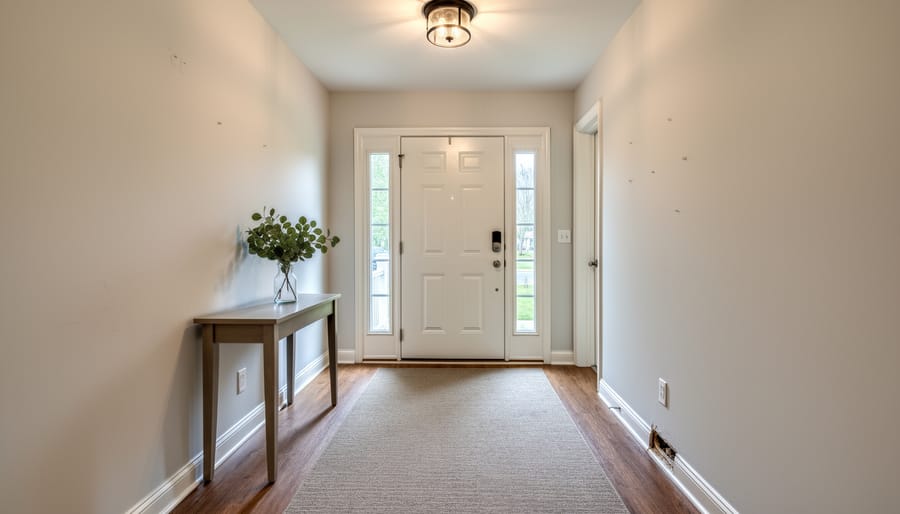
A spotless, uncluttered home lets buyers picture themselves living there. A dusty, crowded one makes them see every flaw twice. When a house already needs work, clean and bright is your best defence, because it signals the place has been looked after even if the roof or kitchen hasn’t been touched.
Start with clutter. Go room by room with three boxes: keep, donate, and recycle. Clear counters, thin out closets by about a third, and pack away family photos and extra furniture. Donating beats tossing, and it keeps usable items out of the landfill.
Then clean deep, not just surface-level. Wash baseboards, wipe light switches, scrub grout, and degrease the range hood. You don’t need harsh chemicals. A spray bottle of equal parts white vinegar and water cuts through soap scum and cloudy windows (skip it on natural stone). Baking soda mixed with a little water makes a gentle scrub for sinks, tubs and stovetops. Our guide to choosing eco-friendly cleaning products helps if you’d rather buy than mix, and these natural cleaning tips cover pantry-based recipes in more detail. If you’re listing in the colder months, borrow from our fall cleaning checklist to cover windows, vents and entryways.
Finally, let the light in. Northern winters mean short, grey days, so open every blind, wash the windows inside and out, and swap dim bulbs for warm, bright ones. Light makes rooms feel bigger and helps buyers focus on potential.
Small Weekend Fixes Worth Doing
Small repairs add up. A buyer who notices a wobbly handle or a dripping tap starts wondering what else has been ignored, and a free Saturday can head that off.
Start with loose cabinet and door handles. Grab a screwdriver and tighten each screw until the handle stops moving. If a screw just spins, pull it out, dip a toothpick in wood glue, push it into the hole, snap it off, and drive the screw back in.
Next, caulk. Cracked or discoloured caulk around tubs, sinks and windows reads as moisture trouble, which northern buyers watch for. Scrape out the old bead with a utility knife, wipe the area dry, and run a fresh line of silicone caulk. Smooth it with a damp fingertip.
For small nail holes and dings, press a dab of spackle in with a putty knife, let it dry, sand it lightly, and touch up with matching paint. If you have leftover paint, check the can for low-VOC on the label.
Swap out every burnt-out bulb, and match the bulb colour so rooms feel bright and consistent. Fixing a dripping tap is usually just a worn washer or cartridge. Shut off the water under the sink, unscrew the handle, and take the old part to a hardware store for a match.
Curb Appeal in a Northern Climate
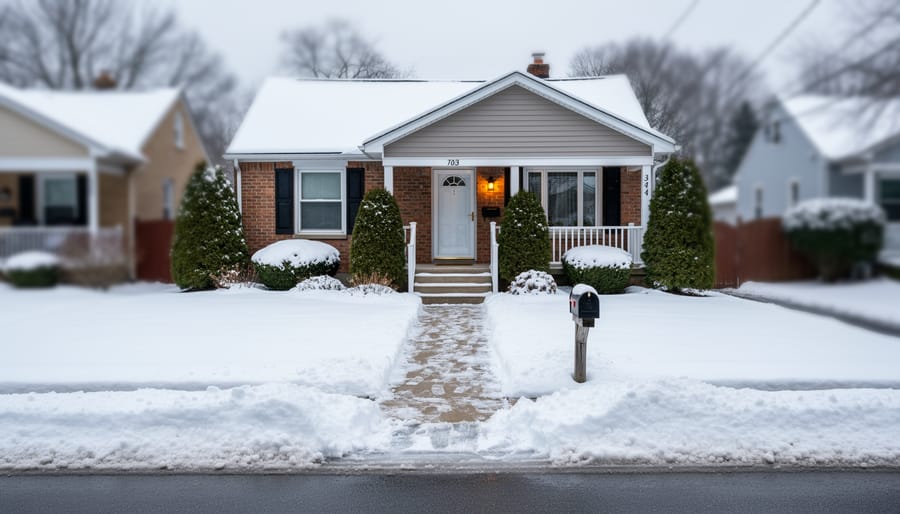
First impressions count, and in a northern climate the first impression changes with the season. Start at the front door. A freshly painted door in a warm, welcoming colour costs little and signals that the house has been looked after, even if the inside needs work. Swap out tired hardware and make sure the doorbell and porch light work.
Next, look at the walkway. Buyers notice cracked, icy or cluttered paths right away. In winter, keep the route from the street to the door shovelled down to bare surface and sprinkle salt or an eco-friendlier alternative like sand or pet-safe ice melt. Fix any loose steps or railings, since slippery or wobbly entries worry buyers and their agents.
For the yard, a quick tidy goes a long way. Clear dead leaves in the fall and trim back overgrown branches. In winter, a couple of tidy evergreen planters by the entry add colour that survives frost. If you’re listing in spring, a few easy shrubs to plant along the front bed give the property a fresh, cared-for look without much effort.
Listing in winter means buyers see the house at its coldest, so warm lighting and clear paths matter even more.
Who Buys a Home That Needs Work (And How to Reach Them)
Not every buyer wants a move-in-ready home, and that’s good news for you. A fixer-upper appeals to a surprisingly wide crowd, and knowing who they are helps you reach the right one.
First-time buyers are often the biggest group. Many can’t afford a finished home in their area, so they’re happy to trade elbow grease for a lower price. They’ll paint, refinish floors and tackle weekend projects themselves. Just remember they usually need a mortgage, and lenders can balk at serious problems like a failing roof or a heating system that’s on its last legs.
Renovators and flippers buy with a plan. They’ve already done the math on repair costs, so they’ll offer a price that leaves room for profit. Expect them to be quick, practical and not very sentimental about your price.
Investors, including landlords, look at the home as a rental or long-term project. Like flippers, they care about numbers more than curb appeal. Cash buyers can be any of these types, and the draw is simple: no mortgage approval to wait on, which means fewer ways for a deal to fall apart.
Here’s how the main routes compare:
| Selling route | Speed | Likely price | Effort and scrutiny |
|---|---|---|---|
| Traditional listing | Slower, often weeks to months | Highest potential | More showings, inspections and lender scrutiny |
| Cash or investor buyer | Fastest, sometimes within weeks | Usually lower | Little prep, light scrutiny |
| Auction or private sale | Varies with the timeline | Depends on demand | Moderate effort, firm terms |
Listing on the open market gives you the widest buyer pool and the best shot at a stronger price, since buyers compete. The trade-off is time and hassle: you’ll host showings, field inspection requests and sometimes watch a financed offer collapse over a repair issue. If you list in a northern winter, snow can hide flaws but also keep casual shoppers home, so be patient.
A cash or investor sale flips that equation. You’ll likely accept less, but you can often skip repairs, deep cleaning and long negotiations. That’s a real advantage if you’re juggling a move, an inherited property or a tight budget. Be cautious with any buyer offering a suspiciously fast, lowball deal. Get more than one offer so you know what your home is worth.
Rules around selling, contracts and taxes differ by province, territory and state, so confirm the details locally. A real estate agent, lawyer or accountant can walk you through the legal and financial side before you sign anything.
Be Upfront: Disclosure, Inspections and Paperwork
When you sell a home that needs work, honesty is your best protection. If you know about a leaky basement, a patched roof, or a furnace that’s on its last winter, telling buyers up front keeps you out of trouble later. Hiding a known problem is the quickest way to turn a finished sale into a dispute, sometimes months after you’ve handed over the keys.
Disclosure simply means sharing what you know about the home’s condition. Most places ask sellers to fill out a form listing known issues, like past water damage, mould, pest problems, or repairs done without a permit. You’re generally expected to report what you actually know, not to become a building expert. If you don’t know whether the wiring is up to current standards, you can say so. Rules differ by province, territory and state, so ask a local agent or real estate lawyer what’s required where you live.
A pre-listing inspection is one tool worth considering. You hire a licensed inspector before you list, and they write up what’s wrong. Yes, it costs a few hundred dollars, but it takes the guesswork out of pricing and prevents nasty surprises when a buyer’s inspector finds the same issues mid-deal. In cold climates, ask the inspector to look closely at the roof, attic insulation, foundation cracks, and the heating system, since those are the things buyers fret about most after a hard winter.
An “as is” clause tells buyers you won’t be making repairs or lowering the price after the inspection. It doesn’t cancel your duty to be honest about known problems. Think of it as setting expectations: the buyer accepts the home in its current state, and you’ve been clear about what that state is.
Keep your paperwork tidy. Gather receipts for past repairs, warranties, permits, and service records for the furnace or water heater. A simple folder shows buyers you’ve cared for the place, even if it needs updating. Before you sign anything, have a local agent or lawyer read it over. A short consultation now costs far less than sorting out a misunderstanding later.
Making Your Listing Shine Without Hiding the Flaws
Honest marketing starts with knowing what’s genuinely good about the place. Walk through your home like a buyer would and write down the strengths that no renovation can create: a quiet street, a walkable neighbourhood, a big lot, mature trees, a south-facing yard, solid framing, original hardwood, a brick fireplace. Those are your headline features, and they’re what buyers pay for.
Photos do the heavy lifting. Shoot in good daylight, open every blind, and turn on all the lights. Winter listings can look gloomy, so pick a bright midday window and shovel the walkway before you start. Show the best angles of every room, and keep the shots clean and uncluttered. You don’t need to hide the dated kitchen or the worn carpet, but you also don’t need to lead with them. A wide shot that shows the room’s size and natural light tells a better story than a close-up of a cracked tile.
When you write the description, be specific and plain. Say “original oak floors under the carpet” instead of “charming character.” Say “kitchen ready for your updates” instead of “needs TLC.” That wording is still truthful, and it invites buyers to picture the finished home. Name the work that’s needed, such as an aging furnace or a roof near the end of its life, so nobody feels surprised later. Buyers trust sellers who are upfront, and they negotiate more kindly with them.
Finally, frame the home around potential. Mention the extra bedroom that could become an office, the basement with good ceiling height, or the garden space ready for a fresh start. A listing that says what’s possible, without pretending the work isn’t there, attracts the buyers most likely to follow through.
Common Questions About Selling a Home That Needs Work
Here are quick answers to the questions homeowners ask most.
Do as-is homes sell for much less?
Usually they sell for less than a fully updated home, but “much less” depends on how much work is needed and how hot your local market is. Buyers subtract the cost of repairs, plus a bit extra for their time and hassle. A home needing only paint and flooring may take a small hit. One needing a new roof and furnace will take a bigger one. Gathering a few repair quotes helps you see the gap before you list.
Should I fix the roof first?
Not always. If the roof is leaking, fix the leak, since active water damage can spread and scare off lenders. If it’s simply old but still doing its job, you can often sell as is and price accordingly. In northern climates, ice damming and heavy snow loads make buyers extra cautious about roofs, so ask your agent how local buyers react before you spend thousands.
Can I sell a home with mould or foundation problems?
Yes, but be upfront about it. Mould from moisture and cracks from frost heave are common in cold climates, and many investors and renovators are happy to take them on. Expect a lower price and a smaller buyer pool, since some mortgage lenders balk at serious structural or health concerns. Rules on disclosure vary by region, so check with a local agent or lawyer.
How long will it take to sell?
It varies with price, condition and season. A fairly priced fixer-upper can sell in weeks, especially to cash buyers, while an overpriced one can sit for months. Winter listings often move slower in colder regions, though motivated buyers are still out there.
Is it worth getting a pre-listing inspection?
Often, yes. It shows you exactly what buyers will find, helps you price with confidence, and cuts down on surprises that can derail a deal later.
Selling a home that needs work, rather than renovating it first, is a practical and perfectly valid choice. You don’t owe anyone a showpiece, and plenty of buyers are actively looking for a place they can put their own stamp on.
Here’s the short version. Start by deciding honestly whether renovating or selling as is fits your budget, timeline and energy. Price the home with repair costs and buyer hassle in mind, since that’s the biggest lever you have. Prep on a budget with a deep clean, a decluttered space, good light and a few small weekend fixes. Then find the right buyer, whether that’s a first-timer ready for sweat equity, a renovator or an investor, and be upfront about the condition so there are no surprises later.
You don’t have to do everything at once. If you’d like a next step, call a local agent who knows fixer-upper sales and ask what homes like yours have recently fetched. Or pick one simple task this weekend, like clearing the entryway or fixing that dripping tap. Small moves add up quickly, and you’ll be closer to a sale before you know it.
