

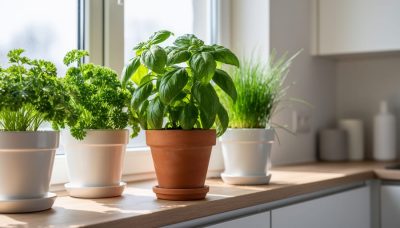
Growing fresh culinary herbs indoors takes just a sunny windowsill, basic containers with drainage, and the right herb varieties. Most kitchen herbs like basil, parsley, and chives thrive in 4-6 hours of direct sunlight daily and can be started from seedlings for harvest within weeks. This setup works particularly well for northern climates where outdoor growing seasons end in early fall and winter air becomes painfully dry for outdoor plants.
The appeal is simple: fresh oregano for your pasta, basil for weekend pizza, or cilantro for tacos without a trip to the grocery store. You’re also sidestepping the plastic packaging and…
How to Grow Micro Herbs at Home: Fresh Greens in Just 7-14 Days
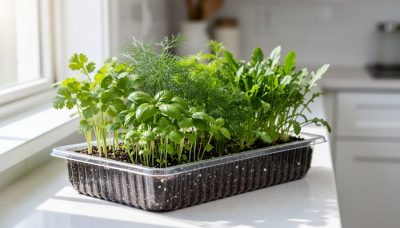
Growing micro herbs at home takes just 7 to 14 days from seed to harvest, requires nothing more than a sunny windowsill or basic grow light, and delivers fresh greens year-round without outdoor garden space. You’ll sow dense clusters of herb seeds in shallow trays filled with potting mix, keep them consistently moist, and snip the tender seedlings once they reach 2 to 3 inches tall. This fast-harvest method works perfectly in northern climates where winter limits outdoor growing, and the entire setup costs less than $30 to start.
Key Takeaway: Micro herbs are seedlings harvested at 1 to …
Growing Fresh Herbs at Home is Easier than You Imagined

If you love herbs and use them in your drinks, dishes, and bath at home, then why not grow one at home? It is cheaper and more satisfying to use, knowing that you’ve grown it by yourself.
Basil
You can use basil in dried form or fresh. It’s easy to buy and store dried basil, but fresh basil can go bad if you don’t use it right away.
To grow basil at home, you will need a pot and an all-purpose fertilizer. You can even keep the plant indoors but be sure to put it in an area where it has access to sunlight.
So, when your pesto craving kicks in, trim off those basil leaves that you have planted …
Factors to Consider When Planting a Tree at Home
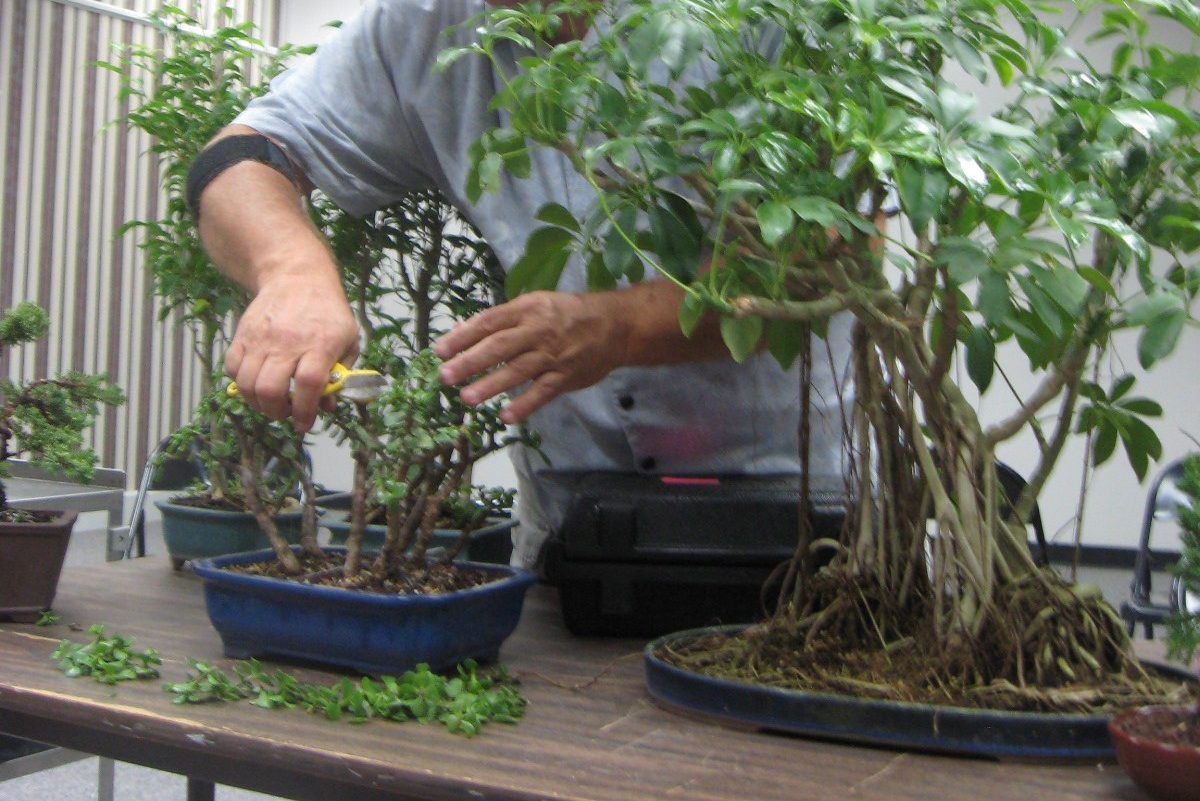
Planting a tree may seem hard but knowing the basics will surely make the process effortless.
Step 1: Select the Tree
Decide which type of tree you want. While there are several species of trees, it is best to consult with your local nursery and buy the plant there. They would know which trees would grow well with the weather conditions of your locality.
Plus, most of their plants have been grown locally. It means the tree will have a higher likelihood of surviving when you plant it because it is well-adapted to the conditions of your locality.
Step 2: Select a Site
…
2 No-Fuss Shrubs to Plant and Grow in the Middle of Summer
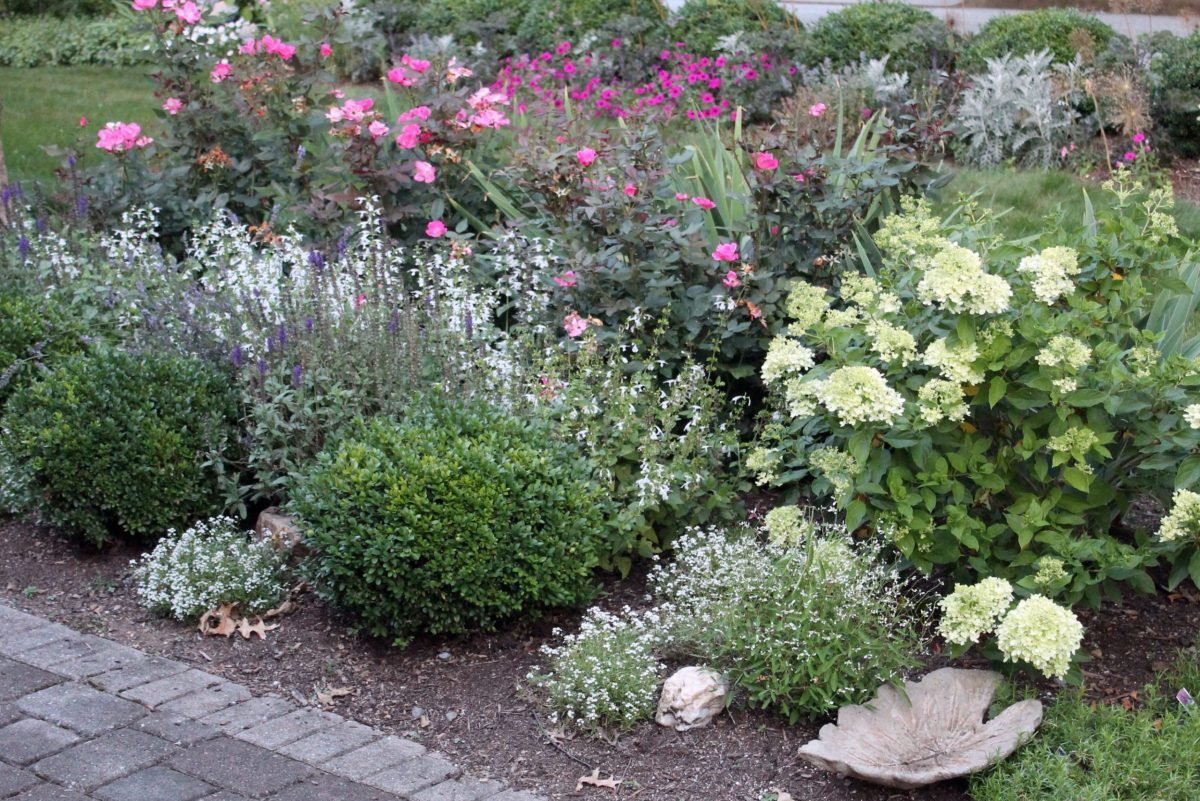
1. Invincibelle Series Smooth Hydrangeas
There are different types of hydrangeas, but we picked the Invincibelle Series because it has stronger stems that allow the plant to bloom bigger.
It comes in five different colors, but we particularly love the Mini Mauvette because when it blooms, it has an irresistibly pretty mauve color. If you are into bright colors, then we suggest this type.
If you prefer a light or neutral color, then we suggest the Limetta because as it starts to bloom, it begins with a cool lime hue that turns white-green as time passes, and eventually, as it reaches maturity, the …